Earn
Earn
Best AI Robots in the World 2026: The Future of Intelligent Machines
Artificial intelligence is no longer just a futuristic concept—it has become part of our daily lives. From voice assistants and self-driving technology to smart healthcare systems, AI is changing how people work, learn, and communicate. One of the most exciting advancements in this field is the rapid development of AI-powered robots.
The best AI robots in the world in 2026 are far more intelligent than earlier generations. They can recognize faces, understand speech, learn from experience, make decisions, and even interact naturally with people. Some are designed to help doctors treat patients, while others work in warehouses, factories, hotels, schools, and research laboratories.
As businesses continue investing in automation and robotics, these intelligent machines are becoming more useful across different industries. They are improving productivity, reducing human error, and taking over repetitive or dangerous tasks, allowing people to focus on more creative and strategic work.
In this comprehensive guide, we’ll explore the Top 10 Best AI Robots in the World in 2026, compare their capabilities, explain where they are used, discuss their advantages and limitations, and examine how they are shaping the future of artificial intelligence.
Quick Answer
If you’re looking for the best AI robots in the world in 2026, the leading names include Sophia, Ameca, Tesla Optimus, Atlas, Pepper, Digit, Walker X, Grace, Erica, and RoboThespian. These advanced robots are helping transform healthcare, manufacturing, logistics, customer service, education, and scientific research through cutting-edge artificial intelligence and robotics.
Table of Contents
- What Are AI Robots?
- How We Selected These AI Robots
- Top 10 Best AI Robots in the World 2026
- AI Robots Comparison Table
- Benefits of AI Robots
- AI Robots vs Traditional Robots
- Challenges of AI Robotics
- Future of AI Robots
- Frequently Asked Questions
- Conclusion
Best AI Robots in the World 2026 – Comparison Table
| Robot | Type | Best For | Key Strength |
|---|---|---|---|
| Sophia | Humanoid | Human Interaction | Natural Conversations |
| Ameca | Humanoid | Research & Innovation | Realistic Facial Expressions |
| Tesla Optimus | Humanoid | Industrial Automation | AI-Powered Productivity |
| Atlas | Humanoid | Mobility Research | Exceptional Agility |
| Pepper | Social Robot | Customer Service | Emotion Recognition |
| Digit | Humanoid | Warehousing | Package Handling |
| Walker X | Humanoid | Smart Homes | Human-Like Movement |
| Grace | Healthcare Robot | Medical Assistance | Patient Monitoring |
| Erica | Conversational Robot | Human Communication | Natural Speech |
| RoboThespian | Entertainment Robot | Education & Events | Interactive Presentations |
What Are best AI Robots in the world?
AI robots are intelligent machines that combine robotics with artificial intelligence to perform tasks that normally require human thinking. Unlike traditional robots, which simply follow pre-programmed instructions, AI robots can analyze information, learn from previous experiences, recognize objects, understand spoken language, and make decisions based on real-time data.
Modern AI robots rely on several advanced technologies, including:
- Machine Learning
- Computer Vision
- Natural Language Processing (NLP)
- Deep Learning
- Speech Recognition
- Smart Sensors
By combining these technologies, AI robots can interact more naturally with people and adapt to changing environments. This makes them suitable for industries where flexibility, accuracy, and real-time decision-making are essential.
Today, AI robots are already being used in hospitals, factories, airports, hotels, schools, research centers, warehouses, and even homes. As technology continues to evolve, their role is expected to become even more important over the next decade
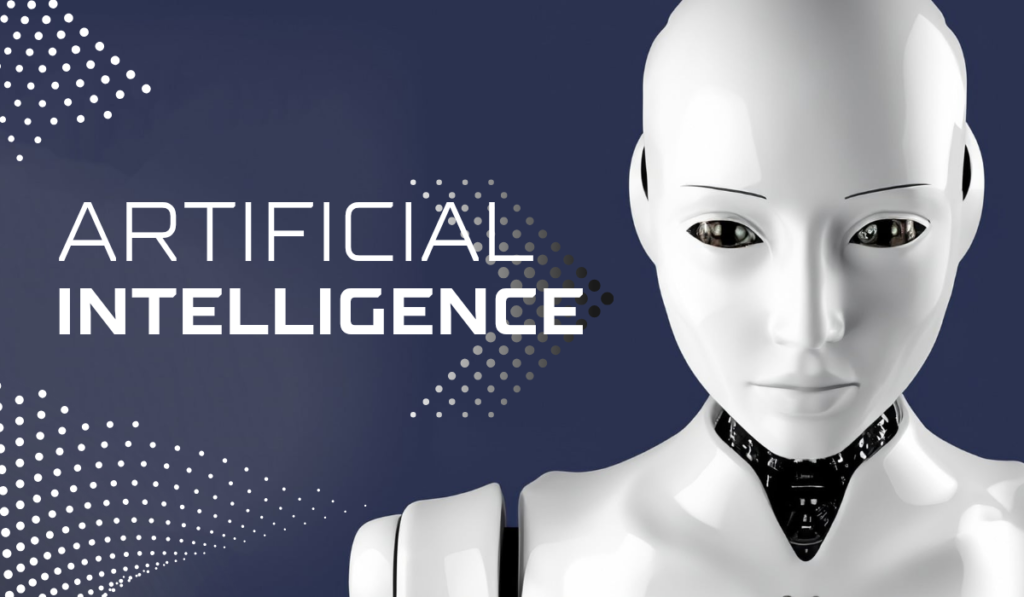
Why AI Robots Matter in 2026
The demand for intelligent automation is growing rapidly. Businesses are searching for smarter ways to improve productivity, reduce costs, and enhance customer experiences. AI robots are helping achieve these goals by working faster, minimizing mistakes, and operating continuously without fatigue.
Some of the biggest reasons AI robots have become important in 2026 include:
- Increasing labor shortages in many industries.
- Growing demand for automation and efficiency.
- Safer handling of dangerous or repetitive tasks.
- Better healthcare support and patient monitoring.
- Improved customer service through intelligent interaction.
- Faster logistics and warehouse management.
- Smarter research and scientific innovation.
Instead of replacing humans completely, most AI robots are designed to work alongside people, assisting them with repetitive, physically demanding, or time-consuming tasks.
How We Selected These AI Robots
Hundreds of robots are currently being developed worldwide, but not all of them demonstrate the same level of intelligence, real-world usefulness, or technological innovation.
For this list, we selected robots based on the following criteria:
- Advanced Artificial Intelligence capabilities
- Real-world applications
- Human interaction and communication
- Mobility and autonomous navigation
- Innovation in robotics engineering
- Industry adoption and global recognition
- Future development potential
These factors help identify robots that are not only technologically impressive but also practical and influential across multiple industries.
Best AI Robots in the World 2026
1. Sophia – The World’s Most Famous Humanoid Robot
Sophia is one of the most recognizable humanoid robots ever created and continues to represent the progress of artificial intelligence in 2026. Developed by Hanson Robotics, Sophia gained worldwide attention because of her ability to hold conversations, recognize faces, and display realistic facial expressions.
Unlike traditional robots that simply follow fixed commands, Sophia uses artificial intelligence to understand conversations and respond in a more natural way. She has appeared at international technology conferences, educational events, and media interviews, demonstrating how humans and intelligent machines can communicate effectively.
Although Sophia is not designed for industrial work, she plays an important role in AI research, education, and public awareness. Her human-like appearance makes her an excellent example of how robotics is becoming more interactive and socially acceptable.
Key Features
- Human-like facial expressions
- Face recognition technology
- Natural language conversations
- AI-powered communication
- Educational and research applications
Pros
- Excellent conversational abilities
- Highly realistic appearance
- Inspires AI research and innovation
- Popular worldwide
Cons
- Limited practical industrial use
- Mostly designed for demonstrations and research
Best For: AI research, education, public demonstrations, and human-robot interaction.
2. Ameca – The Most Realistic Humanoid Robot
Ameca is widely regarded as one of the most advanced humanoid robots in the world. Developed by Engineered Arts, it is famous for its incredibly realistic facial expressions and smooth body movements.
One of Ameca’s biggest strengths is its ability to interact naturally with people. It can maintain eye contact, respond to questions, and express emotions through detailed facial movements. These capabilities make it an ideal platform for robotics research, exhibitions, and future human-AI interaction.
Although Ameca is not intended for heavy industrial work, it provides researchers with valuable insights into how humans communicate with intelligent machines. Many experts believe robots like Ameca represent the future of customer interaction and digital assistants.
Key Features
- Extremely realistic facial expressions
- Advanced speech recognition
- Smooth body movement
- Human-like interaction
- AI research platform
Pros
- Industry-leading facial expressions
- Natural communication
- Excellent research capabilities
- Impressive engineering
Cons
- Not designed for heavy physical work
- Commercial availability is limited
Best For: Robotics research, exhibitions, customer interaction, and AI innovation.
3. Tesla Optimus – The Future of Industrial Automation
Tesla Optimus is one of the most anticipated AI robots of 2026. Developed by Tesla, it is designed to perform repetitive, physically demanding, and potentially dangerous tasks that are currently handled by human workers.
Powered by Tesla’s artificial intelligence and computer vision technology, Optimus can recognize objects, navigate environments, and safely interact with people. The long-term vision is to deploy these robots in factories, warehouses, and eventually homes, where they can assist with everyday tasks.
If Tesla successfully scales production, Optimus could significantly reduce workplace injuries and improve productivity across multiple industries.
Key Features
- AI-powered computer vision
- Autonomous navigation
- Object recognition
- Industrial automation
- Human collaboration
Pros
- High automation potential
- Advanced AI technology
- Improves workplace safety
- Reduces repetitive manual labor
Cons
- Still under active development
- Limited real-world deployment
Best For: Manufacturing, logistics, factories, and industrial automation.
4. Atlas – The Most Agile AI Robot
Atlas, created by Boston Dynamics, is considered one of the most agile robots ever built. It has amazed the world with its ability to run, jump, climb, perform backflips, and navigate difficult environments while maintaining remarkable balance.
Atlas combines advanced robotics with artificial intelligence, allowing it to adapt to changing surroundings in real time. Researchers continue using Atlas to improve mobility, disaster response, and autonomous navigation.
Its incredible movement capabilities make Atlas one of the best examples of modern robotic engineering.
Key Features
- Dynamic balance
- High-speed movement
- Running and jumping
- Obstacle navigation
- Advanced mobility research
Pros
- Exceptional athletic ability
- Industry-leading mobility
- Highly advanced robotics
- Ideal for research
Cons
- Not available for commercial purchase
- Mainly used for research purposes
Best For: Robotics research, mobility development, and disaster response.
5. Pepper – The Friendly Social Robot
Pepper is one of the world’s first commercially successful social robots. Designed by SoftBank Robotics, Pepper was built to communicate naturally with people and provide customer support in public environments.
Pepper can recognize emotions, answer questions, and guide visitors in places such as hotels, shopping malls, banks, hospitals, and airports. Its friendly personality makes interactions more engaging and comfortable for customers.
Many businesses have adopted Pepper because it improves customer service while reducing waiting times.
Key Features
- Emotion recognition
- Voice communication
- Customer assistance
- Multilingual support
- Interactive touch display
Pros
- Excellent customer interaction
- Easy to operate
- Supports multiple languages
- Improves visitor experience
Cons
- Limited physical capabilities
- Depends on internet connectivity for some features
Best For: Hotels, hospitals, shopping malls, airports, banks, and customer service centers.
Expert Insight
The first five robots on this list demonstrate that artificial intelligence is no longer limited to laboratories. From Sophia’s human-like conversations and Ameca’s realistic expressions to Tesla Optimus’ industrial automation and Atlas’ unmatched agility, each robot highlights a different direction in which AI is transforming our world.
As AI technology continues to advance, future generations of robots are expected to become more intelligent, more affordable, and increasingly integrated into everyday life.
6. Digit – Revolutionizing Warehouse Automation
Digit is an advanced humanoid robot developed specifically for logistics and warehouse operations. Unlike robots built mainly for research, Digit has been designed to solve real-world business challenges by handling repetitive physical tasks.
With advanced AI, sensors, and autonomous navigation, Digit can move through warehouses, carry packages, avoid obstacles, and work safely alongside human employees. As e-commerce continues to grow worldwide, robots like Digit are helping companies improve efficiency while reducing operational costs.
Several logistics companies are already testing Digit to automate routine warehouse work. Instead of replacing workers, it supports them by handling repetitive lifting and transportation tasks, allowing employees to focus on more complex responsibilities.
Key Features
- Intelligent package handling
- Autonomous navigation
- Human-safe collaboration
- Advanced obstacle detection
- Warehouse automation
Pros
- Increases warehouse productivity
- Reduces repetitive manual work
- Works safely with human employees
- Improves logistics efficiency
Cons
- Primarily designed for warehouse environments
- High implementation costs
Best For: Warehouses, distribution centers, and logistics companies.
7. Walker X – The Smart Home Assistant
Walker X is a next-generation humanoid robot developed to assist people in homes and smart living environments. It combines artificial intelligence with advanced robotics to perform everyday household tasks.
Walker X can walk independently, maintain balance, interact using voice commands, recognize objects, and assist with simple daily activities. It demonstrates how AI robots may eventually become valuable companions in modern households.
As smart homes continue to evolve, robots like Walker X could assist elderly people, support individuals with disabilities, and make everyday life more convenient.
Key Features
- Human-like walking
- Voice interaction
- Smart home integration
- Object recognition
- Autonomous movement
Pros
- Excellent mobility
- Useful for home assistance
- Advanced balance technology
- Supports smart home ecosystems
Cons
- Limited commercial availability
- Still under continuous development
Best For: Smart homes, elderly care, and personal assistance.
8. Grace – AI Robot Transforming Healthcare
Grace is one of the most advanced healthcare robots available today. Designed specifically for medical environments, Grace assists healthcare professionals by providing patient support, health monitoring, and basic medical information.
Unlike general-purpose robots, Grace focuses entirely on improving patient care. It can communicate with patients, answer common health-related questions, and assist hospitals during periods of increased demand.
Healthcare experts believe robots like Grace will become increasingly valuable as hospitals continue adopting digital technologies to improve patient outcomes.
Key Features
- Patient interaction
- Health monitoring
- Medical information assistance
- AI-powered healthcare support
- Natural communication
Pros
- Supports healthcare professionals
- Improves patient engagement
- Available for long working hours
- Reduces workload during busy periods
Cons
- Cannot replace medical professionals
- Requires regular software updates
Best For: Hospitals, clinics, healthcare facilities, and medical research.
9. Erica – One of the Most Natural Conversational Robots
Erica is an advanced humanoid robot developed in Japan for communication research. It is designed to create realistic conversations and help researchers better understand how humans interact with artificial intelligence.
Erica can recognize speech, answer questions, maintain conversations, and display realistic facial expressions. Researchers use this robot to improve AI communication systems and natural language understanding.
Although Erica is primarily used for research purposes, its technology is expected to influence the future development of digital assistants, virtual receptionists, and AI-powered customer support.
Key Features
- Natural conversation
- Advanced speech recognition
- Human-like appearance
- AI communication research
- Realistic interaction
Pros
- Highly realistic communication
- Valuable research platform
- Excellent speech processing
- Advanced conversational AI
Cons
- Limited commercial applications
- Mainly developed for research
Best For: AI communication research, education, and human-robot interaction.
10. RoboThespian – AI Robot for Education and Entertainment
RoboThespian is an interactive humanoid robot created for education, museums, exhibitions, and public events. It combines artificial intelligence with engaging communication skills to deliver presentations and interact with audiences.
The robot can speak multiple languages, answer questions, perform educational demonstrations, and entertain visitors. Because of its expressive personality, RoboThespian has become popular in science museums, universities, and technology exhibitions around the world.
Its ability to educate while entertaining makes it one of the most unique AI robots available today.
Key Features
- Interactive presentations
- Public speaking
- Educational demonstrations
- Multilingual communication
- Audience engagement
Pros
- Excellent educational tool
- Highly interactive
- Supports multiple languages
- Great for exhibitions and museums
Cons
- Limited industrial applications
- Primarily designed for public engagement
Best For: Museums, schools, universities, exhibitions, and public events.
AI Robots vs Traditional Robots
Many people assume all robots are the same, but there is a significant difference between AI robots and traditional robots.
| Feature | AI Robots | Traditional Robots |
|---|---|---|
| Learning Ability | Learn from data and experience | Follow fixed programming |
| Decision Making | Intelligent and adaptive | Limited to predefined tasks |
| Human Interaction | Natural communication | Minimal interaction |
| Flexibility | Can adapt to new situations | Limited flexibility |
| Applications | Healthcare, education, logistics, customer service | Manufacturing and repetitive industrial work |
Benefits of AI Robots
AI robots are becoming increasingly valuable because they improve efficiency, safety, and productivity across many industries.
Some major benefits include:
- Higher productivity and faster task completion
- Reduced human error
- Improved workplace safety
- 24/7 operational capability
- Better customer service
- Assistance in healthcare and elderly care
- Increased efficiency in manufacturing and logistics
- Support for scientific research and innovation
Challenges of AI Robots
Despite their impressive capabilities, AI robots still face several challenges.
These include:
- High development and maintenance costs
- Privacy and cybersecurity concerns
- Ethical questions regarding AI decision-making
- Dependence on advanced infrastructure
- Limited emotional understanding
- Potential impact on certain job roles
As AI technology continues to mature, researchers are working to address these challenges while ensuring robots remain safe, reliable, and beneficial for society.
The Future of AI Robotics
The future of best AI robots in the world looks incredibly promising. Over the next decade, artificial intelligence is expected to become more powerful, allowing robots to understand human behavior more accurately, learn more efficiently, and perform increasingly complex tasks.
Future AI robots may become common in homes, hospitals, schools, airports, hotels, factories, and even space exploration missions. Rather than replacing humans entirely, they are expected to work alongside people, helping solve problems, improve productivity, and enhance quality of life.
As robotics technology continues to evolve, intelligent machines will become one of the most important innovations shaping the future of humanity.
Frequently Asked Questions (FAQs)
1. Which is the best AI robot in the world in 2026?
There is no single AI robot that is best for every purpose. Sophia, Ameca, Tesla Optimus, and Atlas are considered among the world’s most advanced AI robots because each excels in a different field such as communication, research, industrial automation, or mobility.
2. What is an AI robot?
An AI robot is a machine that uses artificial intelligence to analyze information, learn from experience, recognize objects, understand human language, and make decisions with minimal human intervention.
3. Can AI robots replace humans?
AI robots can automate repetitive and physically demanding tasks, but they cannot replace human creativity, emotional intelligence, critical thinking, or complex decision-making. The future is more likely to involve humans and AI working together.
4. What is the most realistic humanoid robot?
Ameca is widely regarded as one of the most realistic humanoid robots because of its lifelike facial expressions, natural eye contact, and smooth movements.
5. Where are AI robots used today?
AI robots are used in healthcare, manufacturing, logistics, customer service, education, research, hospitality, airports, warehouses, and smart homes.
6. Is Tesla Optimus available to buy?
Tesla Optimus is still under development and is not widely available for commercial purchase. Tesla plans to expand its real-world deployment over the coming years.
7. What are the advantages of AI robots?
AI robots improve productivity, reduce human error, enhance workplace safety, operate continuously, and help businesses automate repetitive tasks.
8. What are the disadvantages of AI robots?
The main disadvantages include high development costs, cybersecurity risks, ethical concerns, limited emotional intelligence, and dependence on advanced technology.
9. What industries benefit the most from AI robots?
Healthcare, logistics, manufacturing, customer service, education, retail, hospitality, and scientific research are among the industries benefiting the most from AI robotics.
10. What is the future of AI robots?
Future AI robots will become more intelligent, affordable, and capable of working alongside humans in homes, businesses, hospitals, schools, and even space exploration.
Expert Opinion
Artificial intelligence is advancing at an incredible pace, but the true value of AI robots lies in how they help people rather than replace them. The most successful robots are those that improve safety, reduce repetitive work, and allow humans to focus on creativity, innovation, and complex problem-solving.
As AI continues to evolve, businesses that adopt robotics responsibly will likely gain significant advantages in efficiency, productivity, and customer satisfaction.
Why Trust Tech to Treandy?
At Tech to Treandy, we publish well-researched technology content based on official company announcements, trusted industry sources, and expert analysis. Our goal is to provide accurate, practical, and up-to-date information that helps readers understand the latest innovations in artificial intelligence, robotics, smartphones, and emerging technologies.
Every article is reviewed to ensure it is easy to understand, fact-based, and valuable for both beginners and technology enthusiasts.
Conclusion
The Best AI Robots in the World 2026 demonstrate how rapidly artificial intelligence and robotics are transforming our lives. From Sophia’s conversational intelligence and Ameca’s realistic expressions to Tesla Optimus’ industrial capabilities and Atlas’ incredible agility, these machines showcase the remarkable progress being made in AI.
As best ai robotics technology in the world continues to improve, AI-powered robots will play an even greater role in healthcare, education, logistics, manufacturing, customer service, and scientific research. Rather than replacing human workers, they will increasingly serve as intelligent partners that improve productivity, safety, and quality of life.
If you’re interested in the future of technology, these robots provide a fascinating glimpse into what the next generation of artificial intelligence can achieve.
Author Bio
Earn is a technology writer at Tech to Treandy, specializing in smartphones, artificial intelligence, consumer technology, and digital innovation. The goal is to provide readers with accurate, easy-to-understand, and well-researched content that helps them make informed technology decisions and stay updated with the latest industry trends.